
40㎡ traditional screed at Castle Mews, Wellingborough, Northamptonshire. Client : Property developer Location : Wellingborough Date : 2024

Traditional screed has been a reliable flooring solution in the UK for decades. It is a semi-dry mixture of sharp sand, cement, and water, designed to create a smooth and level surface for final floor coverings.
Traditional sand and cement screed is widely used in various construction projects across the UK, including:
The installation of traditional sand and cement screed follows these steps:
Ready mixed sand and cement screed that can be tailored to suit your project. Traditional screed can be reinforced with invisible fibreglass fibres to provide enhanced strength where heavy footfall is expected.
40㎡ traditional screed at Castle Mews, Wellingborough, Northamptonshire. Client : Property developer Location : Wellingborough Date : 2024
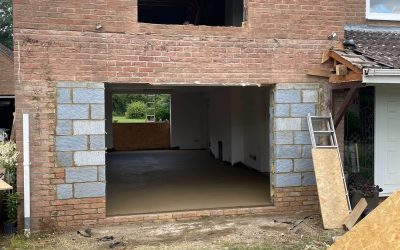
Traditional floor screed for a new house extension in Middleton Stoney, near Bicester.Traditional screed contractors in the UK Traditional screed is a blend of sharp sand, cement and water. Traditional sand and cement screed can be laid “to falls,” meaning it’s...
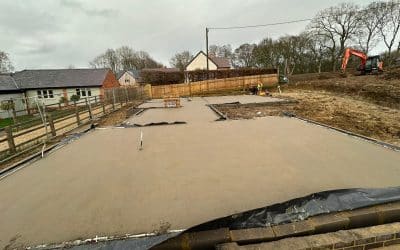
Traditional screed at a new build in Towcester, Northamptonshire. New build properties often incorporate underfloor heating for improved energy efficiency and comfort. Screed plays a crucial role in ensuring even heat distribution. Liquid screeds are particularly...

149㎡ traditional screed at a new build in Little Harrowden, Northamptonshire. Client : Property developer Location : Little Harrowded, Northants Date : 2025

150㎡ underfloor heating screed, for several new build properties at Stow Longa, Cambridgeshire. Client : Property developer Location : Stow Longa, Cambridgeshire Date : 2024
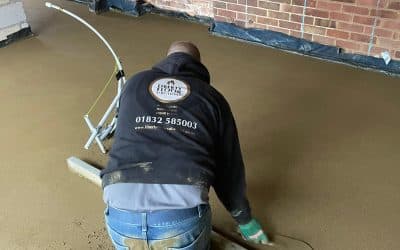
64㎡ traditional screed at a large extension in Glinton, near Peterborough. Experienced floor screeding company in Peterborough Whether you are a large building firm, a project manager or a self-builder, we offer a range of high quality floor screed services to suit...
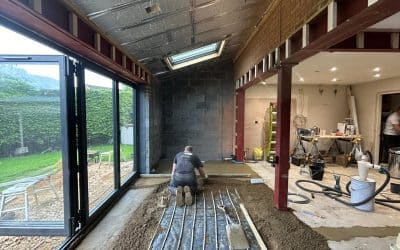
Home extension - East Hunsbury, Northampton 20㎡ underfloor heating screed, using traditional screed, mixed on site. Serving areas in and around central Northampton We have screeded underfloor heating installations, renovations and home extensions in Abington,...

Traditional screed at a new build, for Francis Jackson Homes in Rugby - 120㎡. Client : Property developer Location : Rugby, Warwickshire Date : 2025
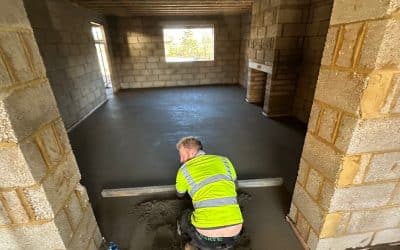
Traditional screed at a new build in Little Houghton, Northampton - 115㎡ Underfloor heating screed is a specialised type of floor screed designed to be used in conjunction with underfloor heating systems. It provides an efficient, even distribution of heat and ensures...

Floor screeding for Francis Jackson Homes in Rugby - 90㎡ Client : Private property Location : Rugby Date : 2024