
Although concrete and screed are both made from cement, aggregates, and water, they serve different purposes in construction. Understanding their differences helps in choosing the right material for your project.
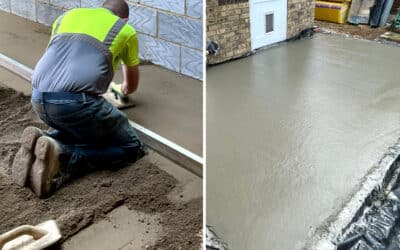
Your go-to guide for everything you need to know about floor screeding. Whether you’re a homeowner, contractor, or developer, this section is packed with expert insights to help you understand the key aspects of screeding
Although concrete and screed are both made from cement, aggregates, and water, they serve different purposes in construction. Understanding their differences helps in choosing the right material for your project.
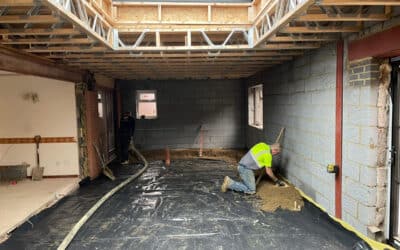
Floor screeding is the process of applying a layer of material, typically a sand and cement mixture or an anhydrite-based compound, over a concrete base to create a smooth, level surface. This layer acts as a foundation for the final floor covering, such as tiles, wood, laminate, or carpet.
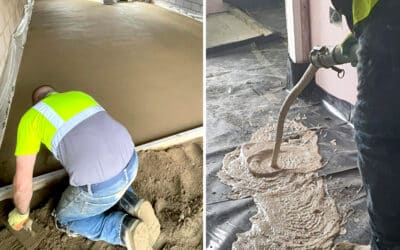
The benefits of Liquid screed vs traditional sand and cement screed – Which is best ?
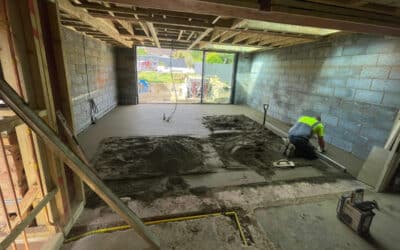
Choosing the right floor screed is essential to ensure a smooth, durable, and long-lasting surface for your project.

Avoiding common screeding problems requires expertise, the right materials, and professional installation. For the best results, trust Liberty Floor Screeding to deliver a flawless finish every time.
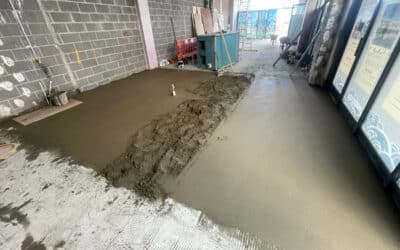
Floor screeding is the process of applying a layer of material over a concrete base to create a smooth, level surface

Our screed calculator will help you accurately calculate the correct quantity of screed you need for your project.

Drying time for floor screed depends on various factors, including the screed type, thickness and environmental conditions…